Cropping a photograph is the process of removing unwanted parts of an image to create a new composition. It's a helpful tool for photographers because it can significantly alter the impact and mood of a photograph, particularly in portraiture.
Portraiture is a type of photography that involves capturing images of people, usually their faces, to express their personality, mood, or beauty. Cropping is an important technique in portraiture because it allows photographers to focus on specific details of their subjects, highlighting their unique features and creating an emotional connection with the viewer.
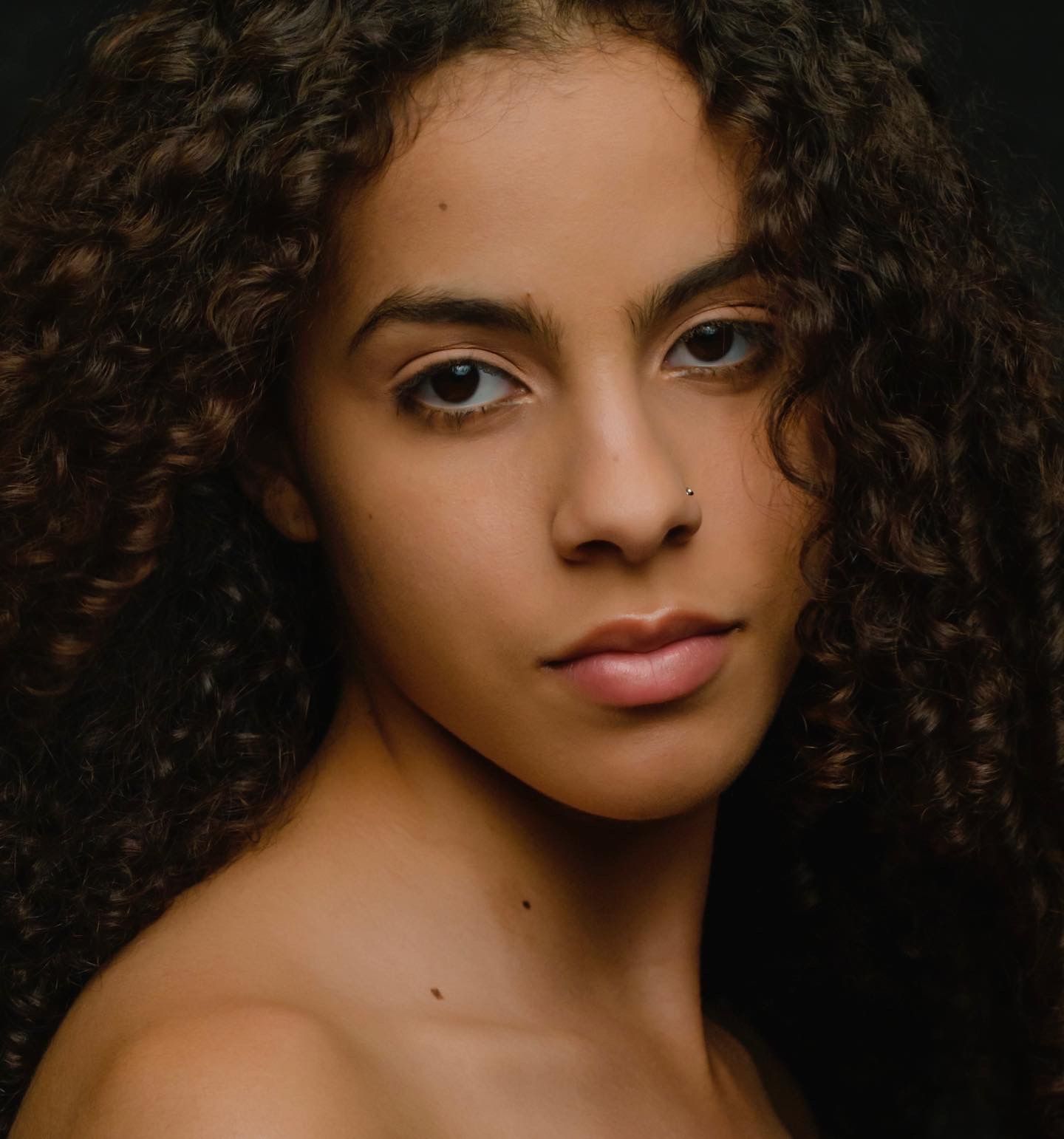
The tight crop is a common cropping technique in portraiture. This technique focuses on the subject's face or a specific feature, such as the eyes or mouth, creating an intimate and intense feeling. The close crop is also useful for emphasizing makeup or accessory details. It draws the viewer's attention to the subject's expression, making it a technique for capturing emotions or telling a story.
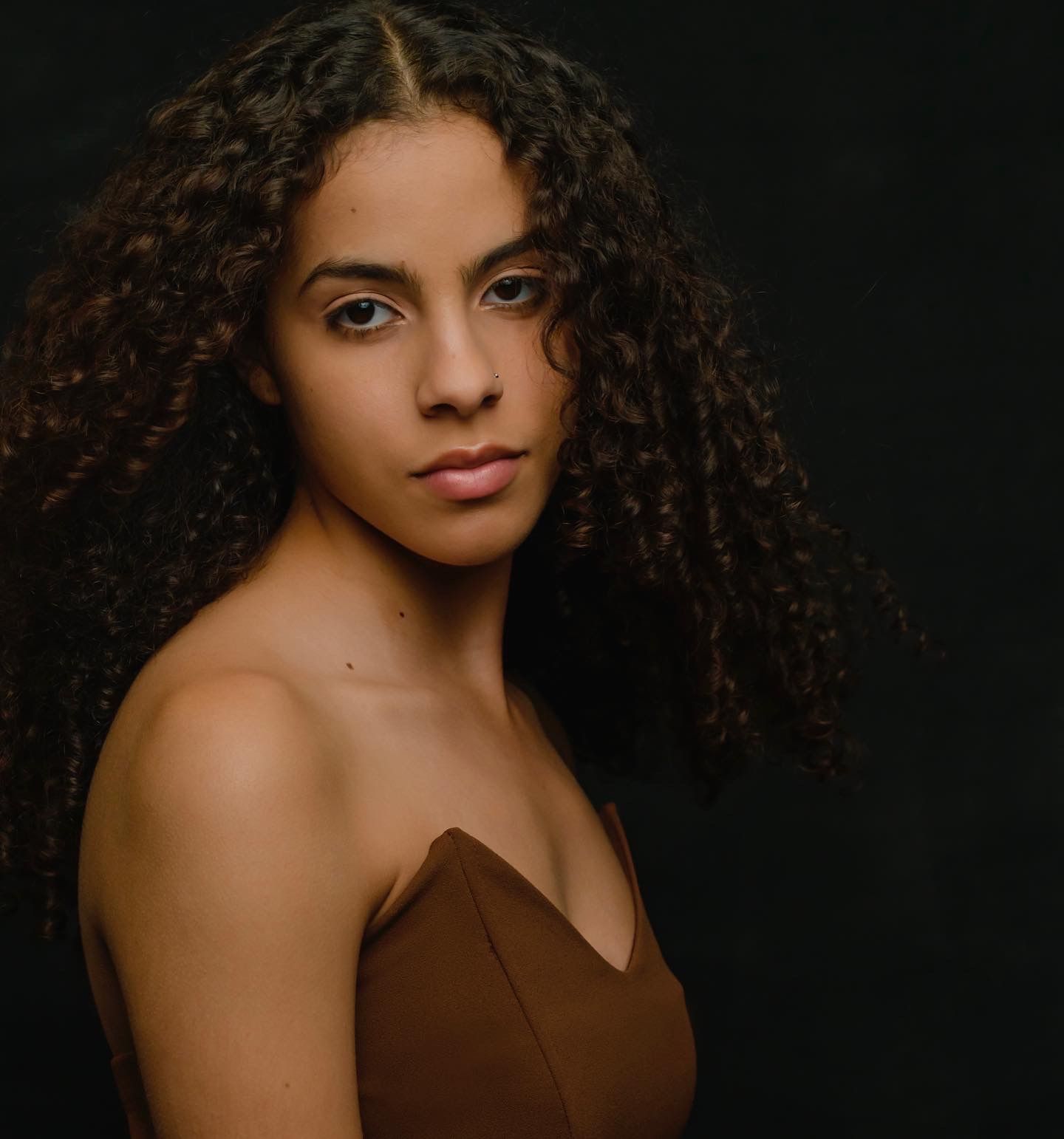
A looser crop, on the other hand, can be used to show more of the subject's body or environment, adding context and depth to the photograph. This technique is great for capturing action or conveying an air of openness and freedom. For example, if the subject is a dancer or an athlete, a looser crop can highlight their movements and athleticism.
The asymmetrical crop is another intriguing cropping technique in portraiture. This technique involves positioning the subject off-center in the frame to create tension or imbalance. The asymmetrical crop is great for emphasizing negative space and creating a dynamic composition.
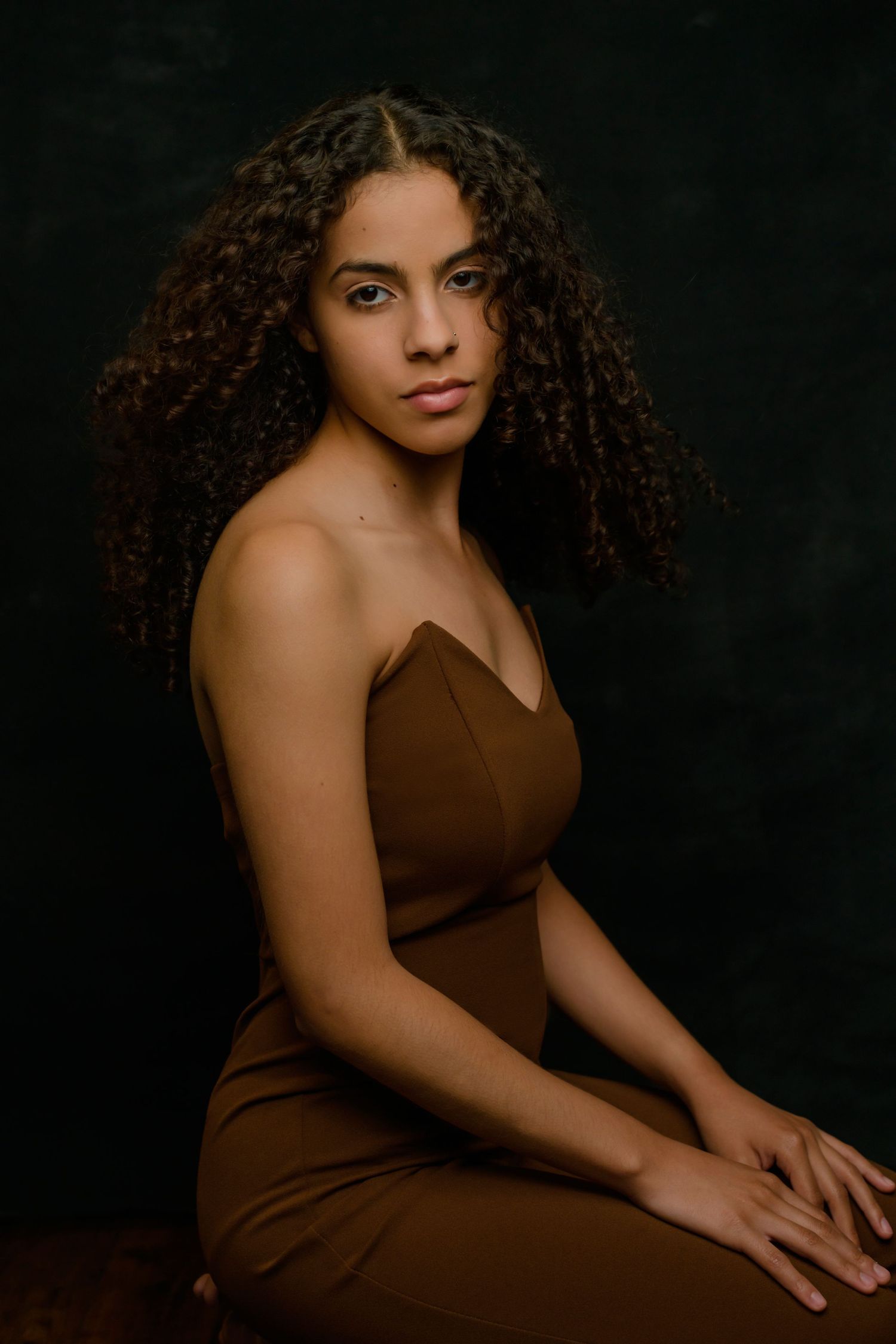
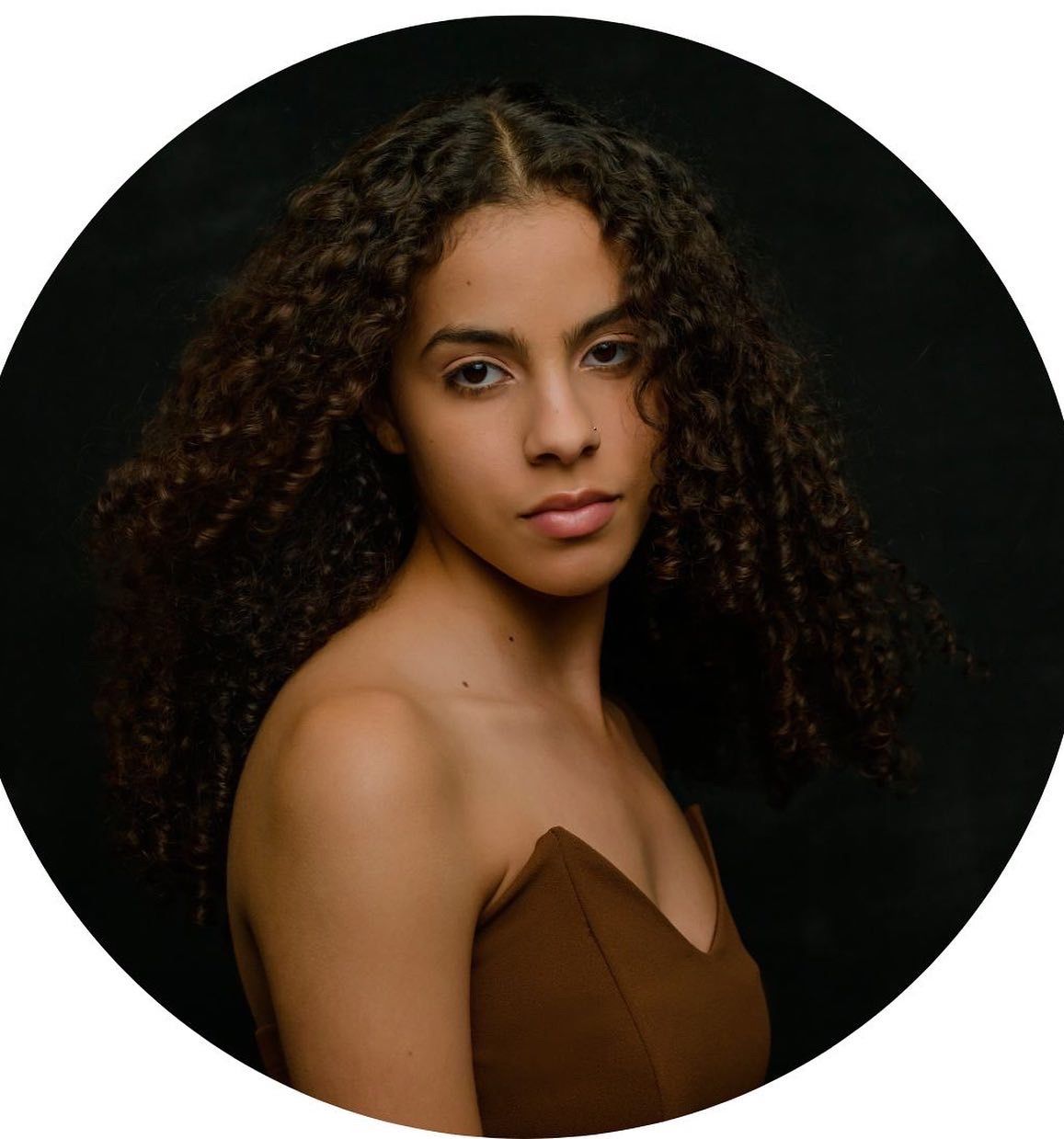
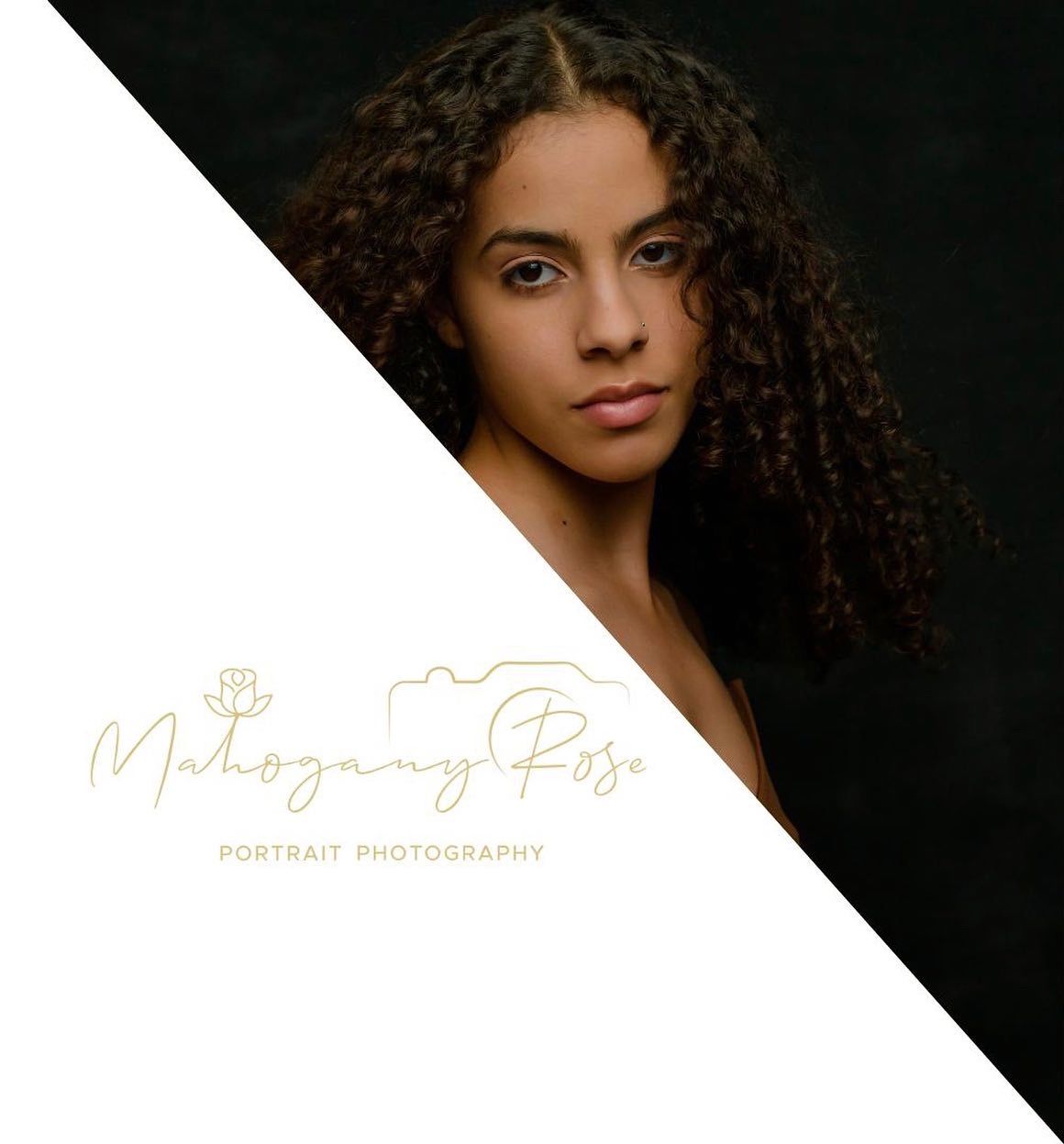
Aside from these approaches, there are a plethora of other ways to use cropping to enhance the beauty of a portrait. A circular crop, for example, can be used to draw attention to the subject's face or to create a dreamy, whimsical effect. A diagonal crop can add movement or a modern, edgy look to a photo.
Cropping can help photographers salvage imperfect shots in addition to creating unique compositions. For example, if a photographer takes a photograph with distracting elements in the background, the image can be cropped to remove them, resulting in a more aesthetically pleasing image.
However, when cropping images, it is critical to exercise caution. Cropping an image too much reduces its quality and resolution, resulting in pixelation or blur. It's also critical to keep the image's aspect ratio constant to avoid distorting the proportions of the subject.
To summarize, cropping is a versatile and powerful tool in portraiture. Photographers can create unique and captivating portraits that showcase the beauty of their subjects in new and creative ways by experimenting with various techniques and styles. Cropping can help photographers create images that emotionally connect with their viewers, whether it's a tight crop to emphasize the subject's expression or a looser crop to capture their movement.